The Beginner Guide to Funky Cheese (Without the Fear)
Cheese that (mostly) doesn’t smell like a locker room
Hi. Hello. Welcome. I see you over there. You’re at the fancy cheese counter, your heart is racing, and you’re staring at a wedge of something that looks like it was harvested from the underside of a damp bridge. You want to be the person who casually tosses a Stichelton into their basket, but instead, you’re clutching a block of mild cheddar like a safety blanket.
I get it. “Funky” cheese is intimidating. It’s the “experimental jazz” of the dairy world. But here’s the thing: beneath that pungent, “is-this-legal?” exterior is a world of flavor that makes standard Monterey Jack look like a plain piece of printer paper.
Today, we are going to face the funk. With this beginner’s guide to funky cheese, we’re going to talk about how to start eating blue cheese and washed rinds without calling an exorcist. Grab a cracker, take a deep breath, and let’s do this.
1. What Exactly is “The Funk”? (And Why Is It Yelling At Me?)
First, let’s demystify the science. When we talk about “funky” cheese, we’re usually talking about two things: Washed Rinds and Blue Cheeses.
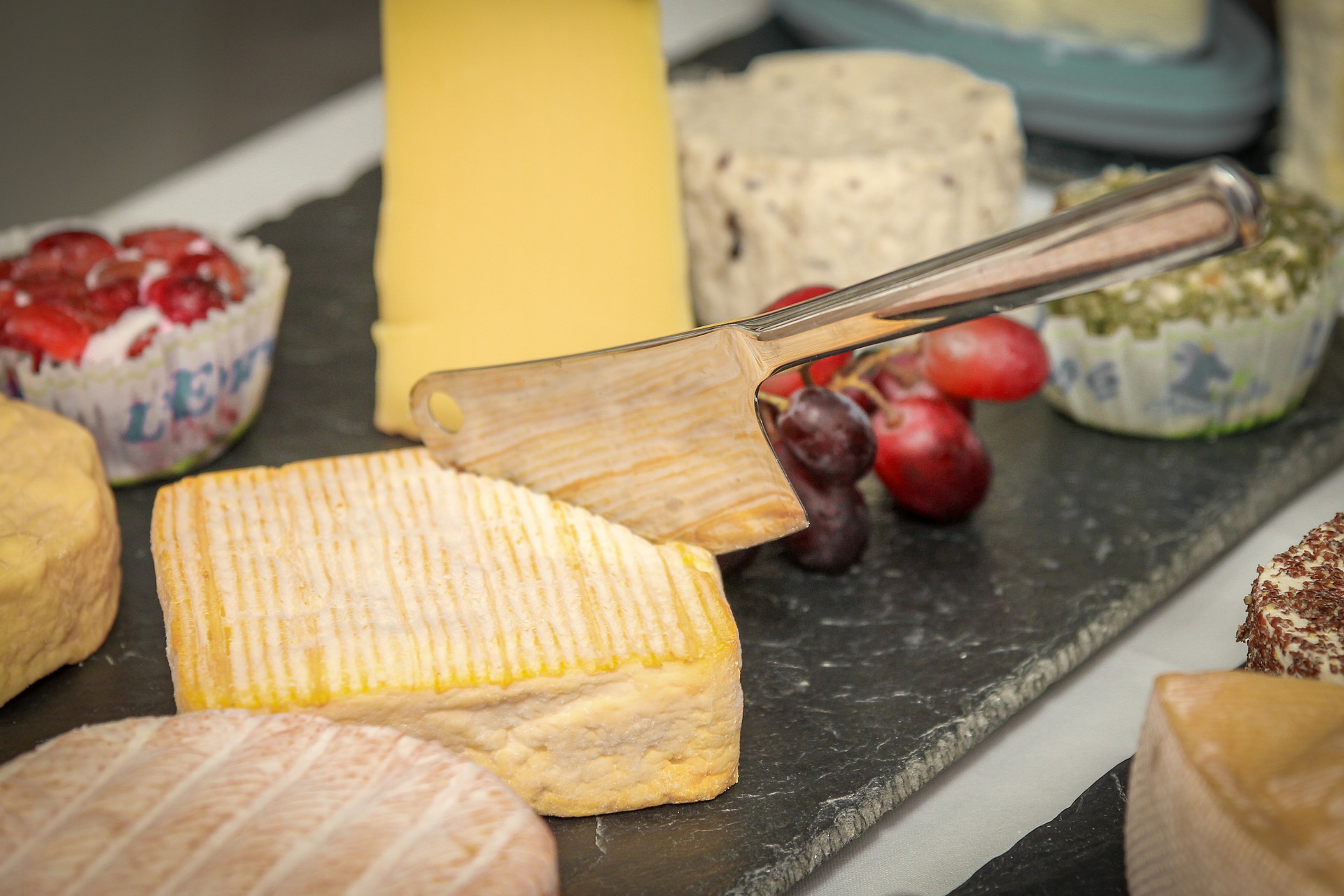
- Washed Rinds: These are the ones that smell like a marathon runner’s sneakers. They are bathed in brine, beer, or brandy, which encourages a bacteria called Brevibacterium linens to grow. It’s the same bacteria responsible for foot odor. I know, I’m not selling it well. But stay with me! The smell is a lie. The inside is usually buttery, sweet, and mild.
- Blue Cheeses: These have veins of Penicillium roqueforti. Yes, it’s mold. But it’s good mold. It’s the “cool, edgy cousin” mold that listens to vinyl and knows how to pair itself with honey.
2. The Gateway Cheeses: Training Wheels for Your Taste Buds
You don’t start your fitness journey by running a marathon, and you don’t start your cheese journey with a 100-day-aged Limburger. You need a “Gateway Cheese.”
The “Baby’s First Blue”: Cambozola
Think of Cambozola as the “romantic comedy” of the cheese world. It’s a cross between Camembert (creamy, dreamy, approachable) and Gorgonzola (the funk). It’s incredibly buttery with just a tiny hint of spice. If you like Brie, you can handle Cambozola.
The “Smelly-But-Sweet”: Taleggio
Taleggio looks scary. It has a sticky, orange rind and it smells… assertive. But once you cut into it, it’s basically a grilled cheese sandwich in a rind. It’s fruity, salty, and goes great with a crusty baguette.
3. The “Flavor Bridge” Strategy: Using Accompaniments
If you’re still a little scared of the flavor profile, you need a “Flavor Bridge.” This is a fancy way of saying: “Drown it in something sweet until your brain stops panicking.”
- Honey and Blue Cheese: This is the ultimate power couple. The sweetness of the honey rounds out the metallic “bite” of the blue.
- Dried Figs and Apricots: These add a chewy texture and a concentrated sweetness that plays well with the salty funk of a washed rind.
- Dark Chocolate: Trust me on this one. A piece of 70% dark chocolate with a nub of Roquefort is a life-changing experience. It’s like a hug for your mouth.
4. Professional Protocol: How to Not Look Terrified
When you’re at a tasting or a fancy dinner, remember the Lust For Cheese Golden Rules:
- The 30-Minute Rule: Cold cheese is muted cheese. Let the funk breathe at room temperature for at least 30 minutes. It’s like letting a wine decant, but with more calories.
- Start Small: Take a “mouse-sized” bite. Let it sit on your tongue. Don’t just swallow it like you’re taking a pill you hate.
- The Rind Debate: As we’ve discussed in our Bark and Rind guide, the rind is usually where the funk lives. If it’s too much for you, just eat the “paste” (the inside). No one is going to arrest you. Probably.
📚 The “Funk Glossary” for Beginners
- Ammoniated: If it smells like a litter box, it’s over-ripe. Stop. Don’t eat it.
- Barnyardy: A polite way of saying it tastes like a farm. In a good way.
- Creamline: The “ooze” layer between the rind and the center. This is the goal.
- Paste: The inside of the cheese (the part you’re likely less afraid of).
- Tyrosine: Those little crunchy “flavor crystals” found in aged cheeses. They aren’t salt; they’re pure joy.