The Pickle Guide: Which Fermented Veggies Pair Best with Creamy Rinds
Listen to me. Put down the jar of neon-yellow relish. Step away from the “Bread and Butter” pickles that taste like a candy shop’s dumpster. We are having a conversation about acid profiles. We are talking about the high-stakes, high-frequency collision between a bloomy rind cheese and a fermented vegetable that has the structural integrity of a Roman column. That’s right, class, we’re talking about fermented veggies cheese pairing today.
If your charcuterie board doesn’t have a fermented element that cuts through the fat like a sharp-tongued intern at a fashion magazine, you aren’t hosting; you’re just a person with a damp piece of wood and a dream. You need the crunch factor. You need the brine-to-fat ratio.
Today, we are exploring the symbiotic relationship between things that have been submerged in a salt-water bath for three weeks and cheeses that have the texture of a cloud that just had a minor nervous breakdown.
The Brie & Cornichon Alliance: A Tiny Green Intervention
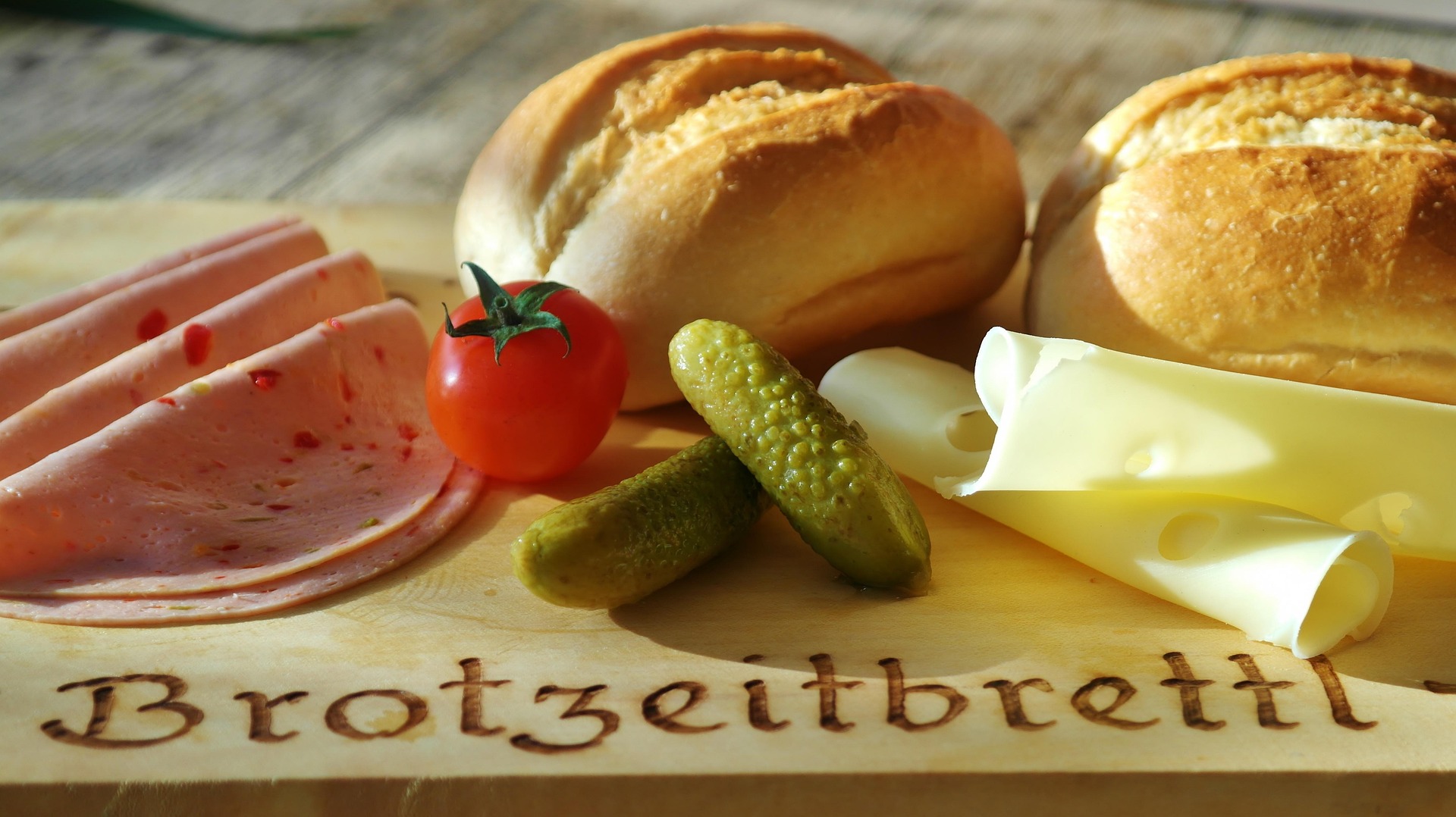
Let’s start with the classic fermented veggie cheese pairing. The Cornichon. They are small. They are bumpy. They look like they were carved by a very busy gnome. But don’t be fooled by their stature; these are the defensive line of your cheese board.
When you are dealing with a creamy Brie or a triple-cream Fromage d Affinois (which is my hotel cheese of choice), you are essentially eating butter that went to finishing school. It’s rich. It’s coating your palate. It’s making you feel like you’re being hugged by a dark green velvet sofa in a gloomy library. You need a Cornichon to walk in, snap its fingers, and clear the room.
The Pairing Logic:
- The Cheese: Double-Cream or Triple-Cream Brie.
- The Pickle: Cornichons.
- Why it Works: The sharp, vinegary snap of the cornichon is the perfect “palate cleanser.” It’s the “Succession” theme song playing at the end of a very dramatic scene. It resets your tongue so you can go back for another pound of cheese without feeling like you licked an oil slick.
The Kimchi & Washed Rind Standoff: High-Energy Chaos
If you’re feeling bold—if you’re the kind of person who shamelessly wears a cape to the grocery store—we need to talk about Kimchi. This isn’t your exotic drama moment anymore, even the Midwesterners have been baselining Kimchi like it’s pickle relish. Catch up, Debra, and carpe some freaking diem.
Pairing Kimchi with a washed-rind cheese (like our stinky friend Taleggio or the legendary Epoisses) is the culinary equivalent of The Fast and the Furious: Tokyo Drift. It’s fast, it’s loud, and it shouldn’t work, but it’s the only thing that makes me feel alive.
I’ve been buying a lot of Olive My Pickle kimchi lately — the butter olives are insane, but the kimchi cucumbers and actual kimchi are super stable in the fridge and have been wowing up my snackuterie boards. (That link is an affiliate link to Amazon but I love the product and buy in bulk directly from them because they have crazy combo sales).
The Pairing Logic
- The Cheese: Taleggio or Aged Gruyère.
- The Pickle: Radish Kimchi (Kkakdugi).
- Why it Works: Washed rinds have that meaty, “barnyard” funk. Kimchi has garlic, ginger, and chili heat. Together, they create a third flavor—a sort of “umami explosion” that feels like a laser light show in your mouth.
This is the ultimate “fermented veggie cheese pairing” for the adventurous eater. It’s high-risk, high-reward, like trying to cut your own bangs with kitchen shears.
Pickled Red Onions & Camembert: The Aesthetic Authority
You want your board to look like it was styled by someone who owns several expensive turtlenecks. You need Pickled Red Onions.
They are pink. They are vibrant. They are the “neon sign” of the fermented world. When you lay a shock of pink onions over a slice of Camembert, you aren’t just eating; you’re engaging in a visual dialogue with the concept of “Summer.”
Pickled red onions are also super easy to make yourself — it’s a super quick pickle, just slice some red onions thin (long elegant strands, baby), and simmer up a non-reactive sauce pan with red wine vinegar, some sugar and salt, maybe freshly cracked black pepper (gentle, Satan, don’t overdo this) and whatever herbs you’re feeling at the moment (weirdly, Allspice is amazing?). Let your onion strands simmer for three minutes and then pull everything off the heat. We want them to stay CRISP if possible, but if they go overcooked on you, that’s fine. These also make an excellent burger topping and keep in the fridge under the brine for at least two weeks. Or buy them, whatever’s easiest.
The Pairing Logic
- The Cheese: Camembert di Bufala.
- The Pickle: Quick-Pickled Red Onions.
- Why it Works: Camembert is more earthy and mushroomy than Brie. The sweetness of a pickled onion (especially if you used a bit of sugar in the brine) pulls out the floral notes of the cheese. It’s a “Meet-Cute” in a romantic comedy starring a very soft dairy product.
Fermented Carrots & Goat Cheese: The Structural Integrity
Goat cheese (Chèvre) is the erratic artist of the board. It’s tangy. It’s crumbly. It’s prone to sudden outbursts. You need a Fermented Carrot Stick to ground it.
I’m talking about carrots fermented with dill and garlic. They are crunchy. They are rigid. They represent the “Order” to the goat cheese’s “Chaos.”
The Pairing Logic
- The Cheese: Humboldt Fog or a Classic Chèvre.
- The Pickle: Dill-Fermented Carrots.
- Why it Works: The tang of the goat cheese matches the lactic acid of the carrot. It’s a “Tang-on-Tang” situation that clears out your sinuses and makes you feel like you could lead a small army into battle.
Conclusion: Don’t Be Afraid of the Jar
Listen. Life is short. The world is a strange place where people still wear low-rise jeans. You deserve a cheese board that has complexity. You deserve a pickle that makes you blink twice.
Go to your local fermentation specialist. Or, better yet, find a jar in the back of your fridge that you forgot about three months ago (actually, don’t do that, check for mold first). Embrace the brine. Embrace the crunch.
Because at the end of the day, we are all just tiny pickles in the giant brine-jar of the universe, looking for a creamy rind to call home.
