The Solo-Board: A Guide to Gourmet Grazing for One (Because People Are Exhausting)
No apologies, this is who I am.
I have a complicated relationship with social interaction. In theory, sharing a platter of expensive cured meats and triple-cream brie with “friends” is a hallmark of a functioning adult life. In practice, it usually involves watching someone use the wrong knife for the Gorgonzola or, heaven forbid, double-dipping a raincoast crisp into the communal jam.
For someone who can fake being an extrovert extremely well, it’s a hard sell that I just want to be alone sometimes.
It’s inefficient. It’s messy. And frankly, I don’t want to negotiate the last slice of Manchego with anyone.
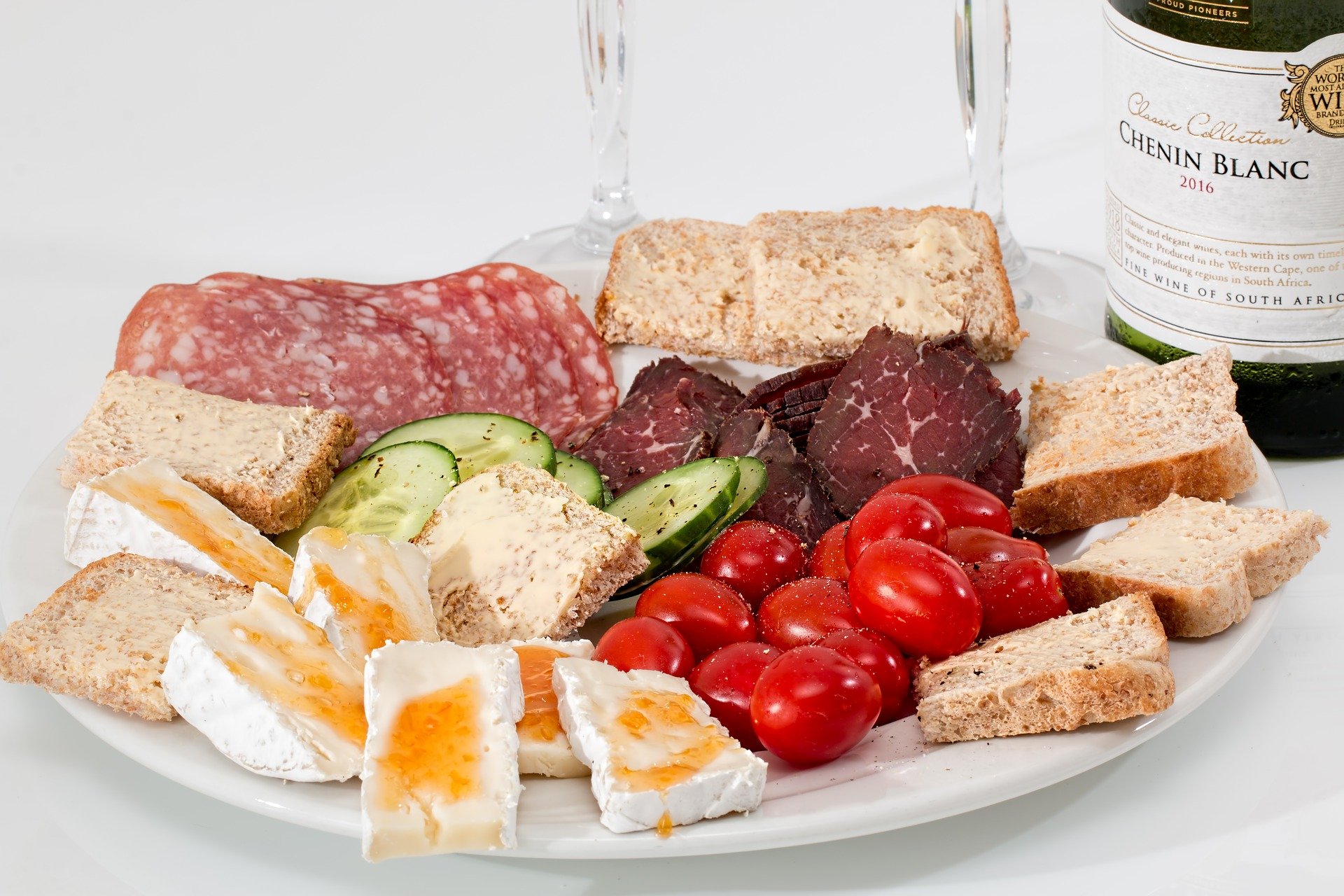
This brings us to the Solo-Board. In 2026, we are finally embracing the “Micro-Grazing” movement, which is really just a polite, SEO-friendly way of saying: “I am staying home, I am not answering my phone, and I am eating this entire wheel of brie by myself.” If you’re looking for how to make a gourmet charcuterie plate for one, you’ve come to the right place. We’re going to build a board that is structurally sound, emotionally fulfilling, and entirely devoid of other people’s germs.
The Philosophy of the Single-Player Spread
Most charcuterie tutorials focus on “feeding a crowd.” They talk about “abundance” and “visual overflow.” That’s fine if you’re hosting a mid-tier gala, but for a solo mission, abundance is just a fancy word for “leftovers that will get soggy in the fridge.”
A solo-board isn’t about volume; it’s about curation. When it’s just you, you don’t have to buy a “crowd-pleaser” like a mild, boring Havarti just because your cousin Steve thinks pepper jack is “too spicy.” You can buy the weird stuff. The stinky stuff. The “this cheese smells like a damp basement but tastes like heaven” stuff.
The Solo-Board Manifesto:
- No Compromise: If you hate olives, there are no olives.
- Scale Matters: We are aiming for a plate, not a coffee table.
- The Good Stuff: Since you’re only buying 50 grams of cheese instead of a pound, buy the $40-per-pound stuff. You’re worth the overhead.
The Structural Integrity of Your Solo-Board
To build a proper charcuterie plate for one, we need to follow a modified version of the “3-3-3-3” rule. Since we are a team of one, we’re going to downsize to the “1-1-2-2” Method.
1. The “Hero” Cheese (The Protagonist)
You only need one stellar cheese to anchor a solo board. If you pick two, make sure they don’t fight. I usually go for a La Tur (a cupcake-shaped blend of cow, sheep, and goat milk) or a high-end Aged Gouda with those crunchy protein crystals that make life worth living.
- Pro-Tip: If you’re looking for protein-packed snacking, an aged Parmesan or Manchego provides a surprising hit of protein while you “rot” on the couch watching prestige TV.
2. The Meat (The Supporting Act)
One type of meat is sufficient. A high-quality Bresaola (air-dried beef) is excellent because it feels sophisticated and doesn’t leave your fingers as greasy as cheap salami. If you’re feeling fancy, three slices of Prosciutto di Parma folded into “ribbons” is enough to feel like an influencer without the effort of a full “meat rose.”
3. The Two “Crunch” Factors (The Texture)
You need a starch and a nut.
- The Starch: A small handful of sourdough flatbreads or those trendy charcuterie crackers with dried cranberries and rosemary.
- The Nut: Marcona almonds. They are the superior almond. Don’t argue with me; the data (and my taste buds) supports this.
4. The Two “Zings” (The Acids and Sweets)
This is where the solo-board becomes gourmet.
- Acid: A few cornichons or a dollop of grainy mustard.
- Sweet: A single honeycomb chunk or a spoonful of fig jam.
How to Make a Gourmet Charcuterie Plate for One (Step-by-Step)
I realize that “assembling a plate” sounds like a basic human skill, but if you’re anything like me, you want a protocol to follow so you don’t have to make decisions. Decisions are for work hours.
Step 1: Select Your Vessel
Don’t use a giant wooden board. It’s a pain to wash because you can’t shove it into the dishwasher and makes your portion look sad. Use a ceramic dinner plate or a small slate, or even the lid off a food storage container. A smaller surface area makes your curated selection look intentional rather than “I ran out of food.”
Step 2: The Anchor
Place your cheese slightly off-center. If it’s a wedge, point the tip toward the middle. If it’s a round, leave it whole—you don’t have to share, so you can cut it as you go. This preserves the moisture.
Step 3: The “Flow”
Arrange your meat next to the cheese. Then, fill in the gaps with your crackers. In the remaining “negative space,” drop your almonds and your “zings.”
Step 4: The Garnish (Optional, but makes it feel like Art)
A single sprig of thyme or one dried apricot can turn a “sad snack” into a “culinary event.” It’s about the aesthetic. If you’re going to post this on your “Close Friends” Instagram story, it needs to look like you have your life together.
The 2026 Trend: “Solo-Grazing” and Sustainability
One of the best things about the Solo-Board movement in 2026 is its alignment with zero-waste entertaining. When you shop for one, you can utilize the “remnant bin” at the cheese shop.
Most high-end cheesemongers have a basket of “orphans”—small cut-offs of expensive wheels that are too small for a family but perfect for a solo mission. It’s eco-friendly, budget-conscious, and gives you a chance to try a Carbon-Neutral Creamery selection without committing to a $30 wedge.
Frequently Asked Questions (By People Who Overthink)
“Is it weird to eat charcuterie for dinner?”
No. In 2026, we call this “Adult Lunchables,” and it is a protected cultural heritage of the overworked. It requires zero cooking, minimal cleanup, and covers all your major food groups (Fat, Salt, Carbs, and Happiness).
“What should I drink with my Solo-Board?”
Since you aren’t sharing, you don’t have to open a whole bottle of wine if you don’t want to. A high-end Zero-Proof Spirit or a dry sparkling cider works beautifully. If you are opening wine, a crisp white (like a Sancerre) or a light red (like a chilled Gamay) won’t overwhelm the delicate flavors of your single-origin cheese.
“How do I store the leftovers?”
If you followed my advice and used the “1-1-2-2” method, there shouldn’t be leftovers. But if there are, refer back to our guide on why your cheese drawer is killing your Camembert. Wrap those leftovers in cheese paper, not plastic. Please. For my sake.
The Joy of Not Sharing
There is a profound peace in the Solo-Board. No one is asking you for a piece of the “good” cracker. No one is double-dipping. No one is talking over your favorite part of the movie.
It is just you, a very expensive piece of fermented milk, and the quiet satisfaction of a plan well-executed. Creating a gourmet charcuterie plate for one isn’t about being lonely; it’s about being selective. It’s an act of self-care that involves Brie. And frankly, that’s the best kind of care there is.
Shopping list
La Tur (or triple-cream Brie)
Aged Gouda (with protein crystals)
Bresaola or Prosciutto di Parma, or I like Duck or even Billabong
Cornichons or grainy mustard
Fig jam or honeycomb
Sourdough flatbreads or rosemary crackers
Fresh seasonal fruit (grapes or pear)