
5 Sustainability Trends Changing the Cheese Industry in 2026
By: The Management (who would like to point out that “Sustainable” does not mean “Tastes like a recycled cardboard box”)
Look, I get it. You’re here because you love cheese. I love cheese. We all love the glorious, semi-solid result of letting bovine secretions sit in a dark room until they become culturally significant. But we’re living in 2026, and the planet is—to use a technical scientific term—a bit of a dumpster fire.
The good news is that the cheese industry has finally realized that if the ecosystem collapses, there are no cows. No cows means no Brie. No Brie means we’re all just sitting around eating plain crackers like losers.
Fortunately, the industry is pivoting faster than a startled goat. Here are the five sustainability trends currently unfurling across the dairy landscape that are ensuring your grandchildren can still enjoy a decent charcuterie board without apologizing to the sky.
1. The Rise of the “Net-Zero” Creamery
In the old days (2022), a creamery was just a place where you turned milk into gold. In 2026, the coolest creameries are basically self-contained starships. We’re talking about facilities that capture methane from manure—yup, we’re starting this article by talking about poop, keep up—and turn it into the electricity that runs the refrigeration units.
The Lust For Cheese Take: It’s basically magic, except instead of a wand, you have a biodigester and a lot of very productive Holsteins. You get cheese; the planet gets a break. It’s a rare win-win in a universe that usually prefers win-loss-and-then-everything-explodes.
2. Regenerative Grazing (or: “Happy Cows, Happy Dirt”)
If you’ve spent any time on LustForCheese.com, you know we’re obsessed with terroir. But in 2026, the focus has shifted from what the soil does for the cheese to what the cows do for the soil.
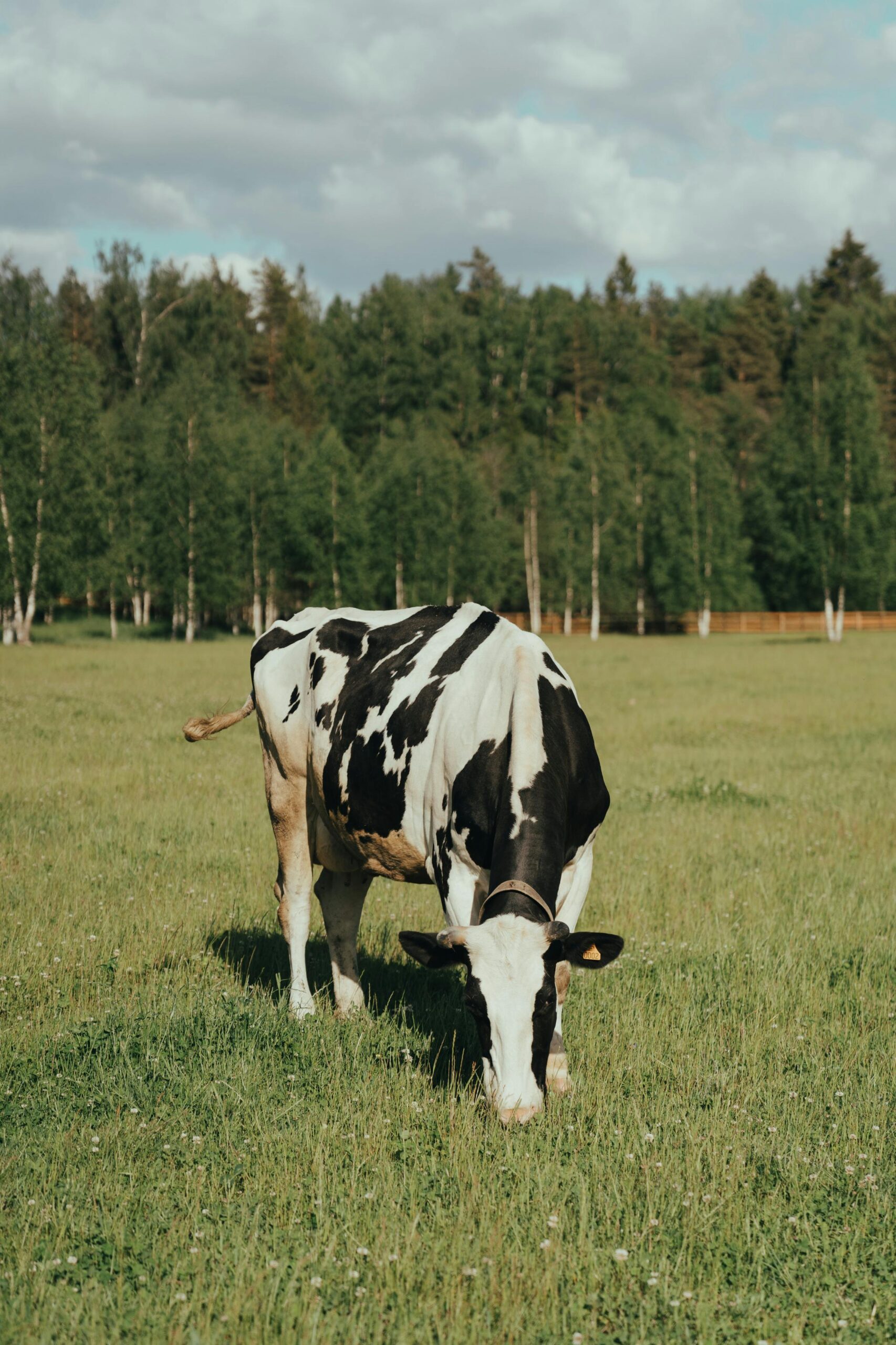
Regenerative grazing is the practice of rotating herds to mimic natural migration patterns. This prevents overgrazing, encourages biodiversity, and—this is the big one—sequesters carbon back into the earth.
- The Benefit: Grass-fed milk from regenerative farms has a higher Omega-3 content and a flavor profile that makes “industrial” cheese taste like a sad eraser.

3. The “Whey-to-Energy” Pipeline
For every pound of cheese produced, you get about nine pounds of whey. Historically, we didn’t know what to do with all that liquid except feed it to pigs or dump it (which is bad for waterways).
In 2026, whey is the new lithium. Innovative startups are upcycling whey into:
- Bio-plastics for cheese packaging (ironic, right?).
- Artisanal spirits (Whey vodka is a thing, and it’s surprisingly smooth).
- Carbon-negative fertilizers.
If your cheese brand isn’t talking about their Whey Management System, they are living in the Stone Age. And not the cool Stone Age with the cave-aged Gruyère, either.
4. Precision Fermentation: The “Animal-Free” Dairy Revolution
Okay, let’s address the elephant (or the cow) in the room. Precision fermentation is the 2026 trend that has everyone’s knickers in a twist.
This isn’t “vegan cheese” made of cashews and hope. This is real dairy protein (whey and casein) created by micro-flora in a fermentation tank. It is molecularly identical to the stuff that comes out of a cow, but without the cow.
Is it “real” cheese? Technically, yes. Is it sustainable? Incredibly. Does it have the same soul as a wheel of Jasper Hill? That’s the debate of the decade. But for the planet, it’s a massive “Get Out of Jail Free” card.
5. Biodiversity and Heritage Breeds
We’ve spent the last century pretending only one kind of cow exists: the Holstein. They are the high-output, black-and-white milk machines of the world. But they’re also a monoculture, which is a fancy way of saying “one bad flu away from a catastrophe.”
2026 is the year of the Heritage Breed. Creameries are returning to Guernseys, Jerseys, and Randall Linebacks. These cows might produce less volume, but they are hardier, better adapted to local climates, and produce milk with fat-to-protein ratios that make cheesemakers weep with joy.

How to Shop Sustainably in 2026 (The TL;DR)
If you’re staring at a cheese case and feeling the weight of the world on your shoulders, don’t panic. Here is your tactical checklist:
- Look for the B-Corp Logo: It means they aren’t just lying to you for fun.
- Check the Rind: If it’s wrapped in 14 layers of non-recyclable plastic, put it back. Look for biodegradable cheese wrap.
- Ask About the Age: Aged cheeses often have a lower carbon footprint per ounce of protein because they aren’t “wet” (reducing shipping weight/energy).
- Buy Local: Obviously. Shipping a wheel of Brie across the Atlantic via jet fuel is… suboptimal.
Eat Cheese, Save the World?
Look, nobody is saying that eating a piece of Pecorino is going to stop the polar ice caps from melting on its own. But the cheese industry is a multi-billion dollar machine. When that machine shifts toward regenerative grazing and circular waste management, it moves the needle.
In 2026, LustForCheese.com stands for indulgence without the existential dread. We want the ooze, we want the funk, and we want to know that the cow who provided it is currently living her best life in a field that isn’t turning into a desert.
Because, at the end of the day, a world without sustainable cheese is a world I don’t particularly want to live in. And I suspect you don’t either.
Quick FAQ on sustainability in the cheese industry
Q1: What is regenerative grazing cheese? Regenerative grazing (or mob grazing) rotates herds to mimic natural migration. This prevents overgrazing, builds healthy soil, biodiversity, and sequesters carbon, making the resulting dairy products significantly more sustainable.
Q2: Is lab-grown cheese sustainable? Yes, precision fermentation creates animal-free dairy (like whey and casein) without the land, methane emissions, or water footprint associated with factory farming, offering a massive leap forward in food sustainability.
Q3: How do I find a carbon-neutral creamery? Look for “Net-Zero” certified labels or B-Corp certifications. These creameries use sustainable practices, capture methane from manure for energy, and prioritize local sourcing to reduce their overall footprint.